
Areola Odor Micro-Surgery: Reclaim Your Intimate Confidence
0.3 cm Hidden-Scar Technique with Complete Nerve Preservation
Areola odor affects more people than most realize, yet effective treatment options have been scarce — until now. Clear Odor's proprietary 0.3 cm hidden-scar technique removes over 90% of apocrine glands through an ultra-small incision at the areola margin, while a dedicated nerve-preservation protocol ensures 100% retention of nipple sensitivity. Backed by 15+ years of clinical outcomes with zero recurrence, this is the definitive solution for intimate-area odor.
Table of Contents
Understanding Areola Odor: Causes & Impact
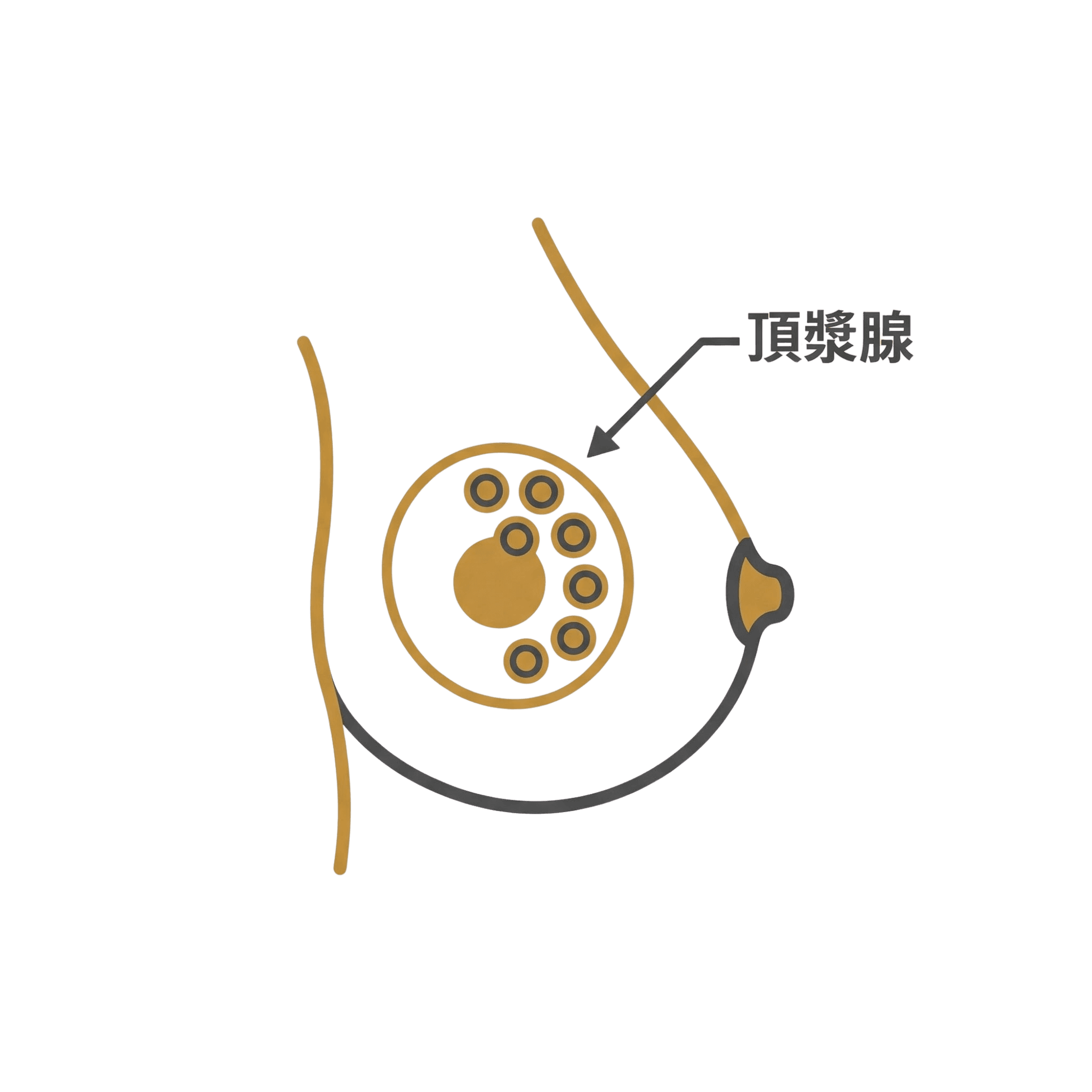
Like the underarms and intimate areas, the areola is surrounded by special "apocrine glands" (large sweat glands). When these glands secrete actively and interact with skin surface bacteria, they produce a distinctive strong odor.
Why Is the Odor Strongest During Intimacy?
Many patients first notice the odor during "sexual activity" or "emotional arousal." This is because sexual arousal strongly stimulates apocrine gland contraction and secretion, causing the odor to intensify suddenly during intimate contact, severely damaging confidence and potentially creating distance between partners.
Specialty Treatment
Areola odor surgery has very few reports in international medical literature, meaning only specialized centers with extensive experience can perform this procedure. Clear Odor Clinic is one of the few medical institutions with standardized protocols and abundant case experience.
Core Technology: 0.3cm Ultra-Minimal Incision & Nerve Preservation
Areola skin is extremely thin with dense nerve distribution, making surgery much more challenging than underarm procedures. Traditional surgery often leaves obvious scars due to large incisions and can damage nerves causing numbness. Clear Odor technique overcomes these limitations with precise minimally invasive methods.
0.3cm Ultra-Minimal
Rice-grain sized incision

Nerve Preservation
0% sensitivity damage

Hidden Scar Suture
Hidden in pigment transition zone

Long-lasting Results
15-year follow-up, zero recurrence
Fine Dissection Technique
Dr. Liu uses fine dissection technique to remove glands while precisely avoiding nerve tissue. The wound is cleverly placed at the junction between the areola and normal skin (pigment transition zone), hidden by the color difference, becoming nearly invisible after healing.
Technique Comparison
Clear Odor Micro-Specialty vs. Traditional Surgery
| Comparison | Clear Odor Areola Surgery | Traditional Surgery |
|---|---|---|
| Incision Size | Minimal (~0.3 cm) | Larger (1-2 cm) |
| Sensitivity Impact | 0% (Complete Nerve Preservation) | High Risk (May Cause Numbness) |
| Removal Rate | >90% (Curative Level) | 70-80% (Prone to Residual) |
| Scarring | Nearly Invisible (Hidden) | May Leave Visible White Scar |
| Experience | 15+ Years Specialty | Limited (Non-standard Procedure) |
Note: Clear Odor technique uses nerve-preservation methods to ensure nipple sensitivity remains completely unaffected after surgery.
Surgery Process
Safety, Privacy & Post-op Care
Professional Assessment
Confirm odor source (distinguish underarm transfer vs. areola origin), evaluate gland distribution
Local Anesthesia
Gentle tumescent anesthesia technique, completely painless during surgery
Micro Removal
Precise gland removal through 0.3cm incision, surgery time approximately 1-2 hours
Post-op Care
Keep dry for 14 days, resume normal intimate life after two weeks
We understand the intimate nature of this area. All medical staff uphold the highest privacy standards to provide a safe and comfortable treatment environment.
Post-Operative Care Guide
Post-op care is simple, usually no time off needed. Normal life can resume after two weeks.
- •Keep treated area dry for 14 days (sponge bath instead of showering)
- •Wear loose, wireless bras to reduce friction
- •Avoid strenuous exercise or breast massage for 14 days
- •Minimal pain, daily life and office work completely unaffected
- •Resume normal intimate life after two weeks
About the Author

Dr. Ta-Ju Liu
Lead Physician, Clear Odor Clinic
- Over 15 years of apocrine gland surgery experience
- Areola odor specialty expert
- Over 10,000 successful minimally invasive cases
- Specialist in areola odor and intimate area odor treatment
"Solving unspoken concerns not only repairs the body but also restores intimate relationships and confidence."
FAQ - Six Essential Questions
Is areola odor surgery safe? Will it affect nipple sensitivity?
Extremely safe with zero sensitivity impact. Dr. Liu has over a decade of specialty experience. The surgery precisely targets only the apocrine gland layer under the skin, completely avoiding the nerves that control nipple sensation. Many patients report that after resolving the odor concern, their intimate life quality actually improves significantly.
Will there be visible scarring after surgery?
Virtually no visible scarring. Our incision is controlled at an extremely minimal 0.3cm, cleverly placed at the junction between the areola and surrounding skin (hidden by the color difference). With proper post-operative care, the scar fades to nearly invisible within 1-2 months.
Are the results permanent? Will it recur?
Results are permanent with zero recurrence cases. Once apocrine glands are physically removed, they do not regenerate. Dr. Liu maintains a "Clean First" principle with over 90% removal rate. In his 15 years of clinical follow-up, no patient who underwent this surgery has experienced recurrence.
How can I tell if I have areola odor?
You can self-assess: if your areola area emits an odor similar to underarm smell during exercise, emotional stress, arousal, or intimate activities, you likely have areola bromhidrosis. Additionally, if you have "wet earwax" or a history of underarm odor, your chances of having areola odor are relatively higher.
Is post-operative care complicated? Do I need time off work?
Care is simple and usually no time off is needed. For 14 days after surgery, just keep the wound dry (sponge bath instead of showering) and avoid strenuous exercise and breast massage. Since there's no large open wound, pain is minimal, and daily life and office work are completely unaffected.
Can I treat both underarm and areola odor in one surgery?
Yes, absolutely. Many patients have concerns in both areas. Dr. Liu can arrange to address both underarm and areola odor issues simultaneously in one surgery using minimally invasive techniques. This means only one recovery period, saving you significant time and care effort.
What is the approximate cost? Are payment plans available?
Cost varies by individual condition and is a self-pay procedure. Clear Odor provides transparent pricing during initial consultation. We also offer installment payment plans.
Will areola odor surgery affect breastfeeding?
No. Our minimally invasive apocrine gland surgery only treats superficial apocrine tissue without affecting mammary ducts, nipple sensation, or breastfeeding function.
Related Services
Further Reading
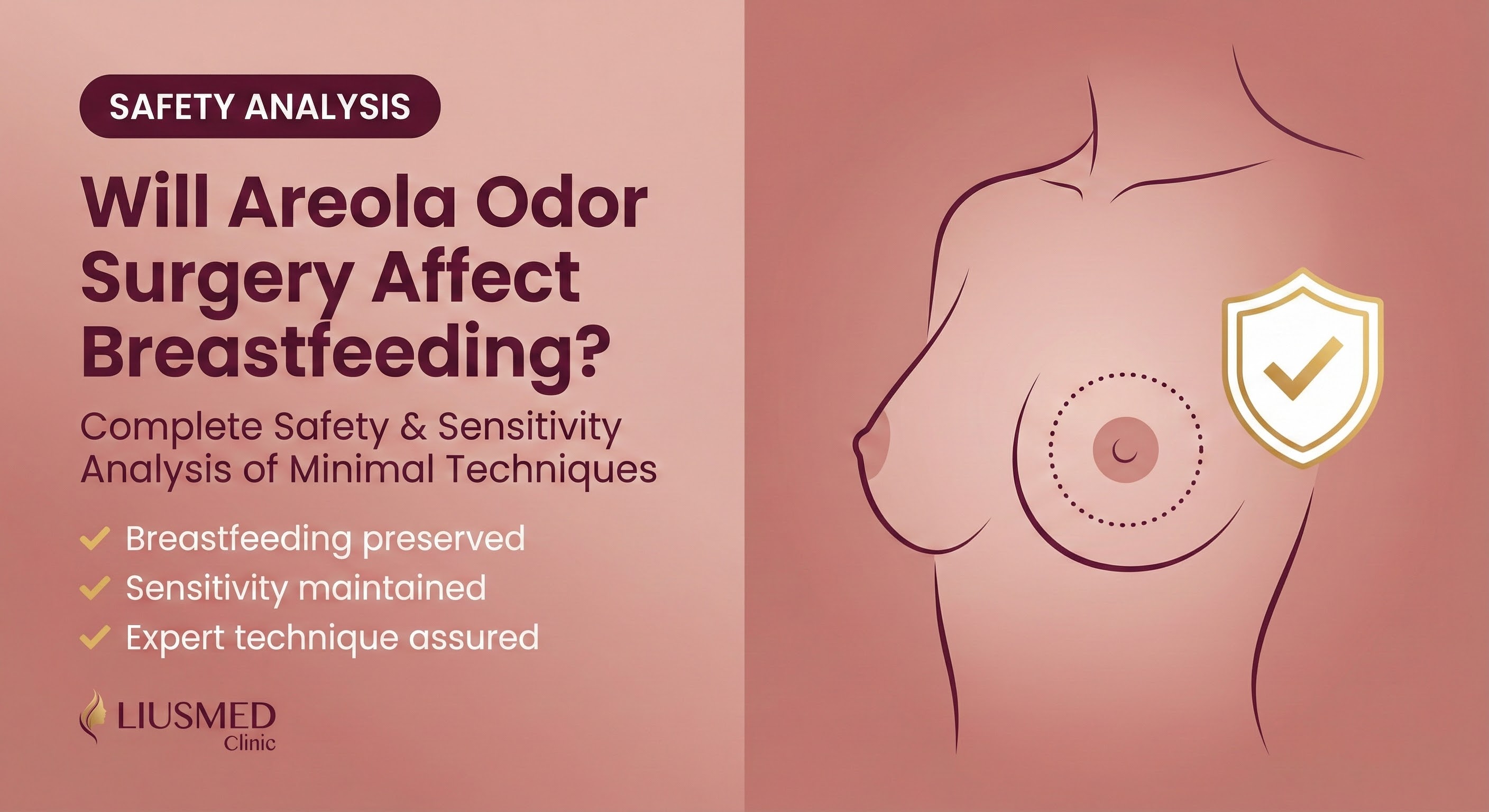
Areola Odor Surgery: Will It Affect Breastfeeding or Sensitivity?
Areola micro-surgery does not affect breastfeeding. Sensitivity changes are temporary. Anatomical explanation of why the technique is safe.
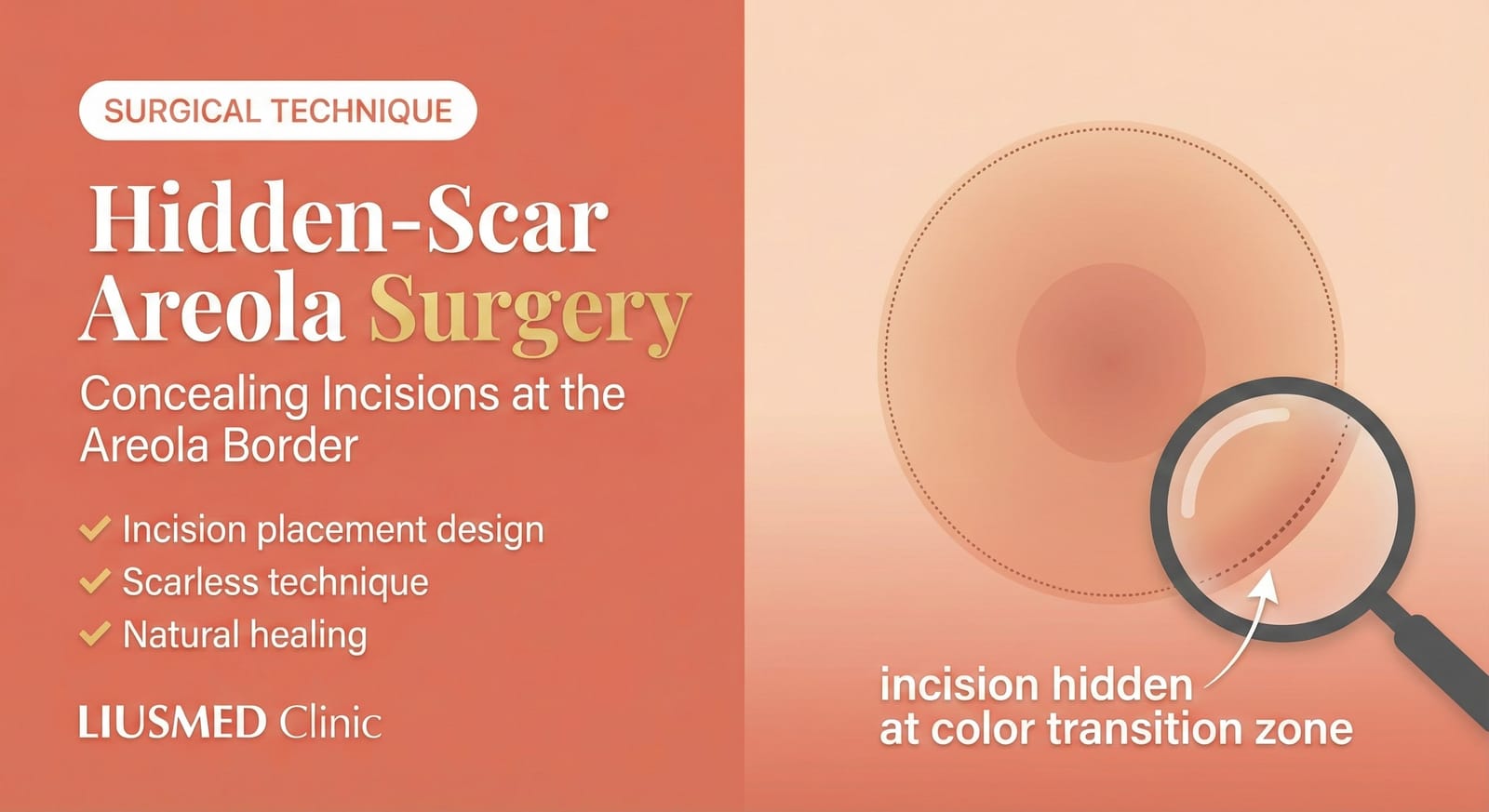
Hidden-Scar Areola Surgery: Concealing Incisions at the Areola Border
The key to hidden-scar areola surgery is incision placement at the color transition zone between areola and normal skin, making scars virtually invisible.
⚕️ Medical Disclaimer
The medical information provided on this page is for reference only and cannot replace individual face-to-face diagnosis, advice, or treatment from a physician. All medical procedures carry risks. Individual constitution and post-operative recovery vary from person to person. Please discuss any treatment plan with your attending physician before making decisions.
Permanently Eliminate Areola Odor
Specialty service with professional micro-invasive treatment. Book a consultation with our experienced specialist to resolve your intimate concerns.
Book Consultation